
Scanning the Horizon: Inside the Foresight Radar
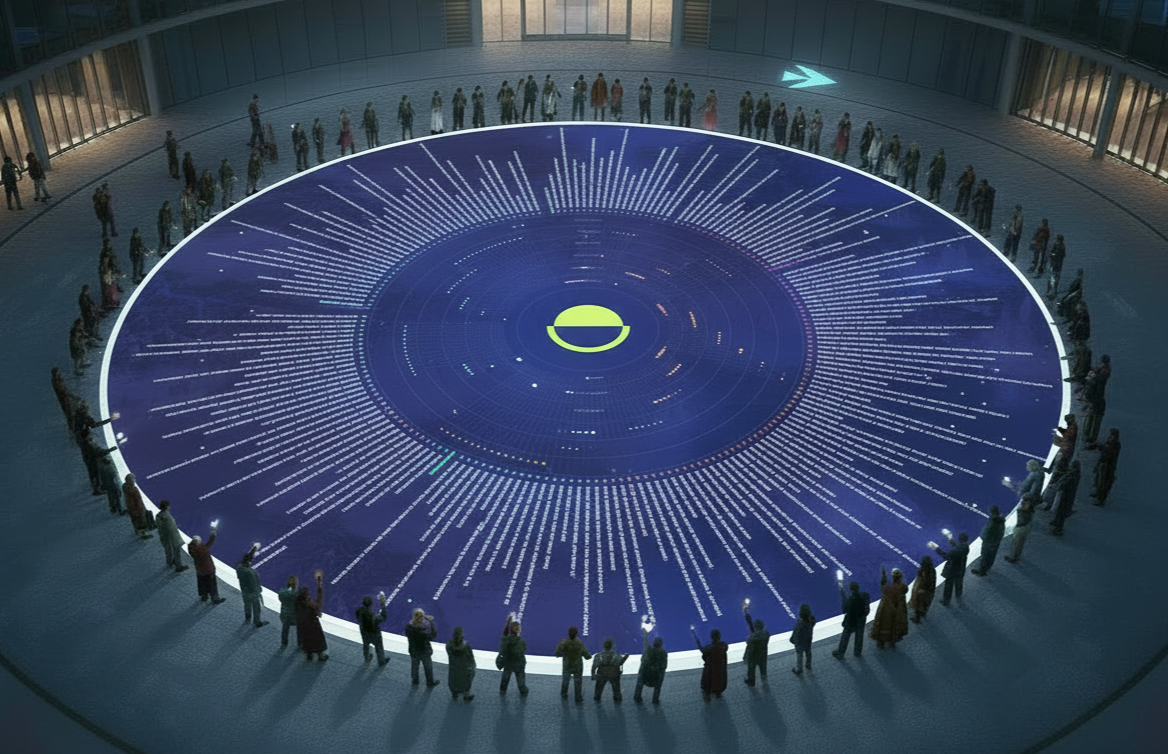
The world does not change without warning. There are signals–fluctuating political alliances, new technologies, evolving social values, and deteriorating ecological systems–that warn us about potential shifts that could alter the future. The challenge is learning how to read those signals and prepare for the arrival of the futures they foretell.
Horizon 2045 began with one of the most challenging problems in international security: nuclear weapons. Over time, however, it became clear that the nuclear risk does not exist in isolation. It is entangled in a web of interconnected threats, each one amplifying the others in ways that are easy to overlook when problems are studied independently. Addressing any one of these threats, including climate change, democratic backsliding, shifting geopolitics, and nuclear proliferation, requires an understanding of how they interact. A breakdown in climate cooperation can strain alliances that were the foundation for arms control. A surge in authoritarian governance can erode the norms and institutions that have kept nuclear arms in check.
The Foresight Radar emerged from this realization and was built through sustained collaboration with an international scanning network of experts across disciplines. These contributors worked together to identify the systems and dynamics shaping human and planetary order: the structures that govern societies, values that guide behavior, and ecological foundations on which the world depends. The resulting map, which is updated periodically, reveals an evolving picture of the forces that are reshaping the world.
The Radar now serves as an interactive tool to explore pivotal issues and drivers of change shaping global security, featuring a collection of over 500 signals. They span seven broad thematic areas: environment, finance and economics, governance and politics, health and wellbeing, infrastructure, society and culture, and technology. The radar invites users to explore the relationships between these forces and trace how a shift in one domain ripples outward into others, often in ways that traditional analyses overlook.
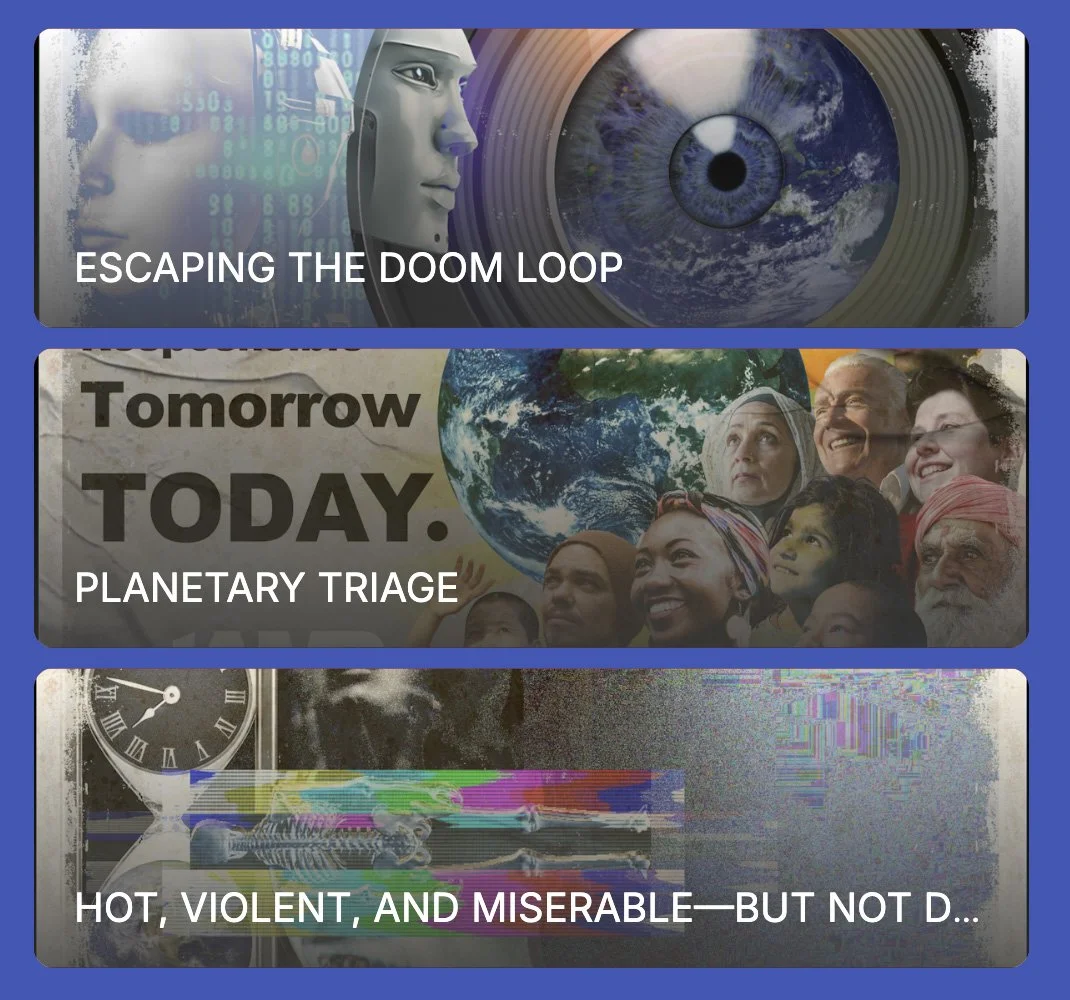
The insights produced through this process were then shaped into a set of three scenarios for the world in 2045. Written by author and futurist Jamais Cascio, these scenarios are intended to help leaders and changemakers better imagine both opportunities and risks grounded in the signals, and to develop strategies for securing a long-term future in the face of uncertainty.
Why this matters now, and why it will matter even more in the years ahead, comes down to the pace of change. In the past, institutions could afford to treat security threats as separate issues, each with its own unique playbook. That assumption is no longer effective. We have less and less time between identifying an important signal of change and watching it cascade into crisis, colliding with changes we may not even have thought about yet. Any single decision now touches a growing number of interconnected systems: a government's choice about energy policy is also a choice about geopolitical alignment, supply chains, public trust, and strategic stability between nuclear-armed states.
The interconnected nature of our world today makes the Foresight Radar a critical tool for understanding how these factors intersect. The value of horizon scanning is that it widens the field of vision early enough that decision-makers have room to adapt and plan for future scenarios, rather than reacting to catastrophe.
A signal spotted weeks, months, or years before it develops into a problem—or, for that matter, an unprecedented opening—gives leaders the chance to build resilience structures or shift strategies while there is still time.
This is particularly important for global security. The foundations of nuclear restraint were built for a world with a small number of clearly defined actors and a relatively stable set of understandings about technology, alliances, escalation, and human rationality. However, those assumptions don’t reflect the current climate, and the next crisis may not look at all like those the existing security regime was designed to prevent. Understanding how ecological stress, the erosion of democracy, economic realignment, and emerging technologies shape this new landscape must be a central concern for security governance.
Looking toward 2045, the value of this kind of foresight will only increase. The decisions made in the coming future–about how societies govern new technologies, how they respond to climate change, how they manage the redistribution of global geopolitical power, and how they sustain the norms that prevent catastrophic weapons use–will exacerbate each other. Scenarios like the ones developed through the Foresight Radar reveal potential flaws in current strategies so that those responsible for avoiding or navigating moments of future crisis will already have begun to prepare.
Author: Ava Lee-Green, Horizon 2045 Intern